Say Cheese: Injecting Playful Energy into Your Designs
There is a specific energy that certain projects demand—a vibe that is less about corporate stoicism and more about joy, creativity, and human connection. Whether you are designing a menu for a local bakery, creating graphics for a children’s education app, or packaging a line of artisanal jams, the typography you choose acts as the voice of your brand before a single word is read. This is where the Say Cheese typeface enters the conversation. It is a font designed not just to display text, but to evoke a feeling. With its hand-drawn aesthetic and whimsical character, it serves as a powerful tool for anyone looking to infuse their work with warmth and personality. If you have been searching for a typeface that bridges the gap between artistic flair and functional readability, understanding the nuances of this playful font could be the key to unlocking a more engaging visual identity for your next project.
The Visual Personality of a Whimsical Typeface
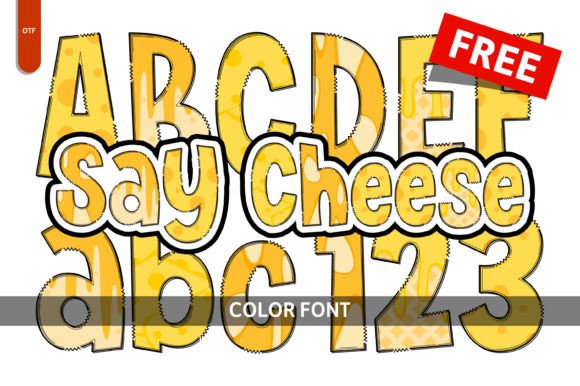
At first glance, the appeal of this typeface is immediate. It strikes a delicate balance that is difficult to find in the world of digital design: it looks handmade without looking messy. Often, fonts that mimic handwriting or artistic brush strokes sacrifice legibility for style. However, Say Cheese manages to maintain a clear structure, making it a versatile option for various design assets. The letterforms often feature soft edges and a slight irregularity that mimics natural handwriting, which is essential for creating an emotional connection with the viewer. In an era of flat, geometric sans-serif fonts dominating the digital landscape, using a display font with this much character can stop a user mid-scroll. It suggests that there is a human behind the brand, which is a critical component of modern branding strategies.
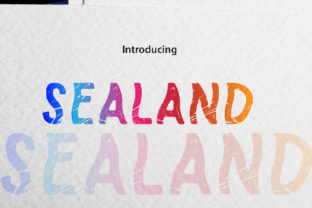
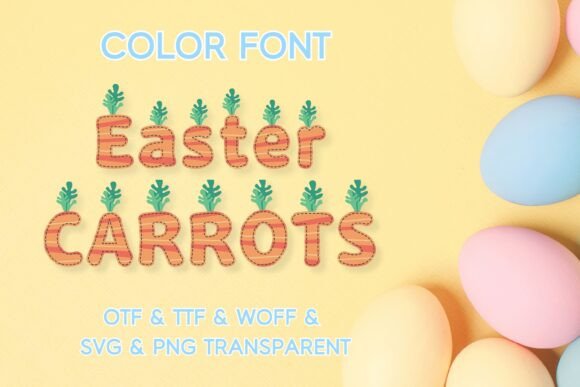
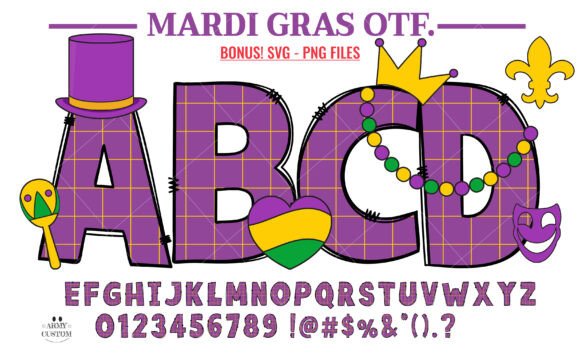
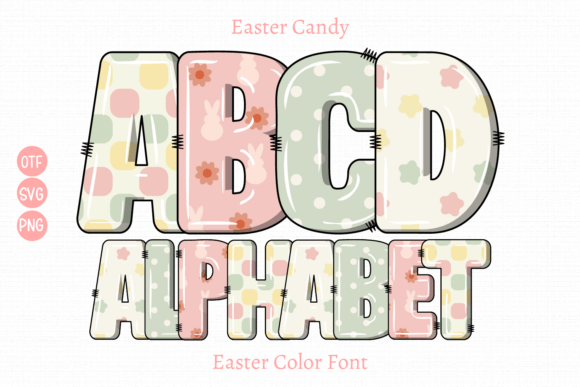
It is also important to note the technical nature of this particular design asset. This is a color font, specifically utilizing Opentype-SVG technology. For the uninitiated, this means the font file contains high-resolution data that allows for multi-color textures and shading directly within the text. When you type, you aren't just getting a vector outline; you are getting a rich, detailed graphic. This feature is particularly useful for packaging design and social media graphics where visual impact is paramount. However, compatibility is key here. This technology works seamlessly in professional design environments like Adobe Photoshop, Illustrator, and Inkscape. If you are working within these ecosystems, the results are stunning. But, it is worth noting for crafters and small business owners who rely on cutting machines that the standard OTF/TTF files of this specific product are not compatible with Cricut software due to the SVG complexity. Always ensure your workflow supports advanced font formats before integrating this into your production line.
Practical Applications: From Branding to Packaging
When we talk about brand identity, consistency is king, but personality is the kingdom. The Say Cheese font is an excellent choice for brands that want to position themselves as friendly, approachable, and creative. Consider the difference between a law firm’s logo and a children’s boutique. The boutique needs a typeface that invites the customer in. This font serves that purpose perfectly. It works exceptionally well for:
- Logo Design: A logo needs to be memorable. The unique, artistic flair of this typeface ensures that a brand name stands out from the competition. It is particularly effective for creative entrepreneurs, photographers (hence the name), and lifestyle brands.
- Editorial Design: In magazines or blogs focused on cooking, crafts, or parenting, this font can be used for pull quotes or section headers to break up the monotony of body text.
- Merchandise: Because of the color font capabilities, this typeface shines on merchandise like t-shirts, tote bags, and mugs. The ability to print multi-colored text without complex layering saves time and enhances the final product's quality.
Imagine you are a small business owner launching a new line of organic baby food. The packaging needs to communicate safety, fun, and nutrition. Using a standard sans serif font might make the product look too sterile, while a complex script font might be hard to read from a distance. Say Cheese offers a middle ground. It provides the whimsy needed to attract parents and the clarity needed to list ingredients. This versatility makes it a valuable addition to any designer’s toolkit, especially when working on projects that require a premium font aesthetic without the rigidity of traditional corporate typography.
Design Strategy: Pairing and Readability
One of the most common mistakes in modern typography is overusing a display font. While Say Cheese is visually stunning, using it for a full paragraph of body copy would likely result in eye strain for the reader and a cluttered layout. The golden rule of typography is contrast. To make this playful font work effectively, you must pair it with something more subdued.
If you are designing a website or a blog layout, consider pairing Say Cheese with a clean, geometric sans serif font for your body text. Fonts like Montserrat, Lato, or Open Sans provide a neutral backdrop that allows the headers to pop. The display font grabs attention, while the sans serif delivers the information efficiently. This combination improves readability and ensures your web design looks professional rather than chaotic.
For invitation design or greeting cards, you might pair it with a delicate serif font to add a touch of elegance. The contrast between the structured serifs and the free-flowing nature of the primary font creates a dynamic visual hierarchy. Here is a quick guide to testing your pairings:
- Scale Check: View your design at a very small size. Can the headers still be identified as text, or do they blur into a graphic element?
- Context Check: Does the font pairing match the medium? A heavy, textured color font might look different on a high-resolution Retina screen compared to a matte-finish printed poster.
- Color Check: Since this is a color font, ensure the background color you choose doesn't clash with the inherent colors of the typeface, or test how it looks in monochrome if you need a single-color version for specific print constraints.
Commercial Considerations and Workflow Integration
For content creators and marketers, the utility of a font extends beyond just how it looks; it’s about how it integrates into the workflow. Because Say Cheese is designed to convey a playful or artistic feel, it is a natural fit for digital products and marketing assets. Think about social media campaigns on Instagram or Pinterest. Visuals that feel "stock" or generic often get ignored. A unique handwritten font style can make a static image feel like a piece of art, increasing engagement rates.
Furthermore, when investing in a commercial font, you are investing in the legal protection of your brand. Using free fonts found on the internet can sometimes lead to licensing issues down the road, especially if your business grows. A premium typeface usually comes with a clear license that covers commercial use, giving you peace of mind when you scale your marketing assets or sell products featuring the design.
However, we must circle back to the technical specifics. As mentioned, this is an Opentype-SVG file. If your workflow involves Silhouette Studio for vinyl cutting or Adobe Illustrator for vector art, you are in a great position. But if you are attempting to use this for Cricut projects, you will hit a wall. The Cricut Design Space software currently has limitations regarding advanced color font formats. In such cases, you would need to use the font in a compatible program like Photoshop, rasterize the text, and import it as an image file into your cutting software. This extra step is worth the effort for the visual quality it provides, but it is a necessary consideration for DIY crafters.
Elevating the User Experience
Ultimately, the goal of any design asset is to enhance the user experience. Whether that user is a customer browsing an e-commerce store, a parent reading a storybook to their child, or a guest receiving a wedding invitation, typography sets the tone. Say Cheese is more than just a collection of glyphs; it is a tool for storytelling. It tells the audience that your brand is creative, that you pay attention to details, and that you value a fun aesthetic.
By carefully selecting where and how to use this typeface—balancing its exuberance with neutral companions and respecting its technical capabilities—you can transform a mundane project into something memorable. It proves that in the world of design, sometimes the best way to connect with your audience is simply to smile and say cheese.