Capture that Authentic Handmade Feel with Letterboard
There is a specific kind of nostalgia that washes over you when you see a classic felt letterboard. It evokes memories of church foyers, retro diner menus, and those witty quotes we used to photograph on Instagram years ago. As designers and content creators, we often try to replicate that tactile, slightly imperfect aesthetic using digital tools, but it rarely hits the mark. Standard sans-serif fonts are too clean, and standard vector graphics lack the depth of real physical objects. If you have been hunting for that perfect balance between digital convenience and physical authenticity, the Letterboard font asset is a game-changer for your toolkit. It bridges the gap between the screen and the real world, offering a texture and vibe that polished, corporate fonts simply cannot provide.
Why Texture Matters in Modern Design
In an era of flat design and glassmorphism, audiences are craving realism. This is where Letterboard shines. It is not just a typeface; it is a carefully curated set of real letter board characters and symbols. Because the design is built from actual photography of physical plastic letters, it retains the shadows, the slight imperfections, and the depth of a real board. This is a premium font that serves a very specific purpose: it adds warmth and humanity to your digital projects.
However, it is important to understand the technical makeup of this asset to get the best results. Letterboard is a bitmap font (Opentype-SVG). Unlike a standard vector font that scales infinitely without losing quality, a bitmap font is made of pixels. This means it has a maximum working size. If you try to blow it up to the size of a billboard, you will lose definition. But for most digital applications—social media posts, website headers, merchandise mockups, and invitations—this limitation is actually a feature. It forces that "wonkiness" and realistic texture that makes the design feel handmade. It captures the vibe of a real letterpress or a felt board perfectly, provided you work within its intended dimensions.
Practical Applications for Brands and Makers
The versatility of a display font like this extends far beyond just mimicking a menu board. Because the product includes the characters as individual PNGs in a scene-creator style, you have total control over your layout. You are no longer restricted to typing on a straight baseline. You can rotate letters, overlap them, or create custom arrangements that look like a busy shop owner hastily updated their signage. This flexibility is invaluable for specific design niches:
- Packaging Design: If you sell artisanal goods, coffee, or baked items, this typeface instantly communicates a "homemade" or "small batch" quality. It pairs beautifully with kraft paper textures and muted color palettes.
- Social Media & Marketing: In the fast-scrolling world of Instagram and Pinterest, texture stops the thumb. Using a letterboard style for a quote or a call-to-action adds a tactile element that flat text cannot match. It is excellent for announcements or "quote of the day" posts.
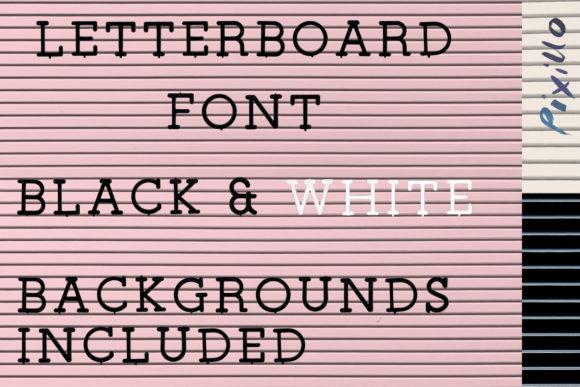
- Invitations and Events: Planning a rustic wedding, a baby shower, or a milestone birthday? The font includes four colors of background boards, allowing you to match the typography to your event’s theme instantly without needing to edit the background in post-production.
- Merchandise: For print-on-demand businesses, this font works wonderfully for t-shirt designs that aim for a vintage or retro aesthetic. Just be mindful of the licensing for your specific commercial use case.
Integrating Letterboard into Your Workflow
One of the most common questions regarding color fonts (Opentype-SVG) is compatibility. Because this is a bitmap font, it behaves differently than the standard TTF or OTF files you might be used to. It is fully compatible with professional design software like Photoshop, Illustrator, Silhouette, and Inkscape. This makes it a robust design asset for graphic designers and small business owners who handle their own branding.
However, it is crucial to note the limitations regarding cutting machines. The OTF and TTF files are not compatible with Cricut. If you are a crafter looking to cut these letters out of vinyl, this specific asset will not work for that purpose. It is designed for print and digital display. For the best results, always consult the Ultimate Font Guide included with the purchase to understand how to activate and manipulate color fonts in your specific software environment.
When pairing this font with others, think about contrast. Because Letterboard is a heavy, textured display font, it demands a clean companion. A simple, geometric sans-serif font or a classic serif font works best for body copy. Avoid pairing it with other heavily stylized handwritten fonts or script fonts, as the visual competition will make your layout look cluttered and unreadable. The goal is to let the letterboard text be the star of the show while the supporting text provides clear information.
Elevating Visual Consistency and Brand Recognition
Typography is the voice of your brand. If your brand voice is approachable, quirky, nostalgic, or community-focused, a font like Letterboard can become a cornerstone of your visual identity. Using a consistent, high-quality display font across your headers, logos, and marketing assets builds brand recognition. When your audience sees that specific "felt and plastic" texture, they will immediately associate it with your content.
Furthermore, the inclusion of individual PNG characters allows for creative freedom that standard typing cannot offer. You can create "scene-creator" style graphics where the letters look like they are sitting on a table, hanging on a wall, or scattered on a floor. This is particularly useful for bloggers and content creators who want to create unique hero images for their articles or distinct cover photos for their digital products.
Ultimately, choosing the right typeface is about finding a tool that solves a visual problem. If your designs feel too cold, too digital, or too generic, adding a layer of realism with a bitmap font can transform the entire mood of the project. It is a specialized tool, yes, but for the right project, it offers a level of charm and character that standard vectors simply cannot replicate. Whether you are designing a poster for a local event or crafting a social media strategy for a boutique brand, this asset ensures your typography feels as real as the products you are selling.