Easter Candy: A Playful Color Font for Springtime Designs
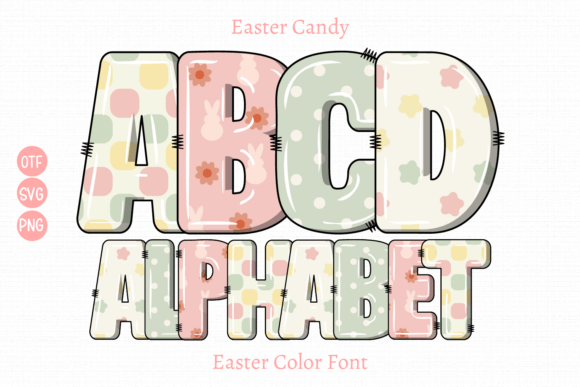
There's a particular kind of energy that comes with spring design work—something bright, hopeful, and full of personality. If you've been searching for a typeface that captures that feeling without sacrificing versatility, Easter Candy might be exactly what your next project needs. This color font brings a hand-painted, authentic quality to headlines, logos, and branding materials, making it a standout choice for anyone working on seasonal campaigns, product packaging, or creative digital content.
What Makes Easter Candy Visually Distinct
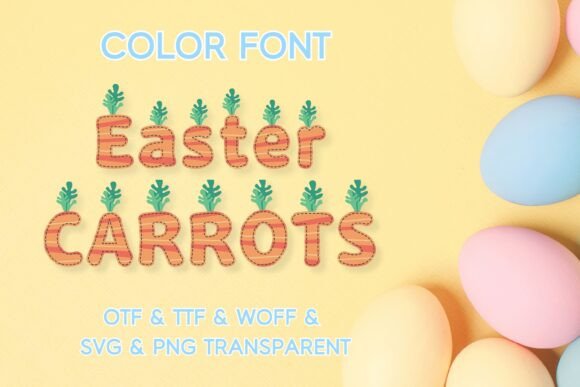
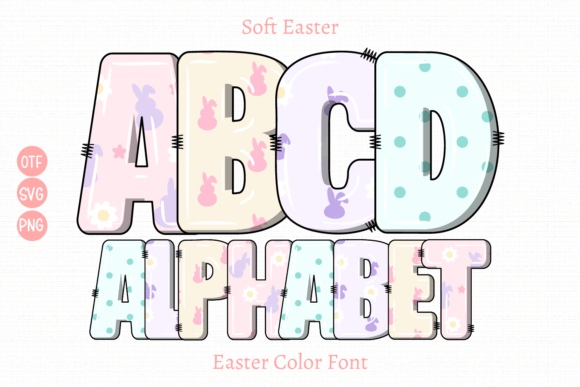
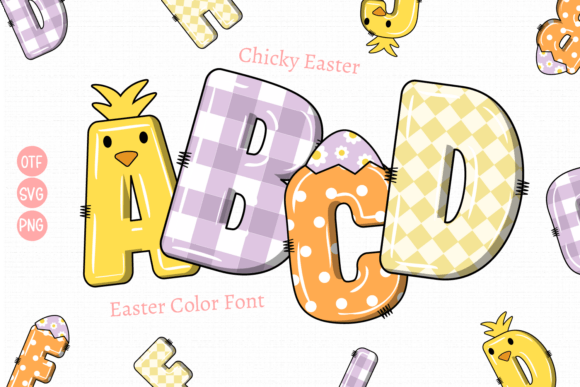
Unlike standard monochrome typefaces, Easter Candy arrives as a color font, meaning each letter carries multiple hues directly embedded in the glyph. The result is a typeface that looks like it was painted by hand—think soft pastels, candy-inspired tones, and a warmth that flat black text simply cannot achieve. It reads as playful without being childish, which is a difficult balance to strike. The letterforms have a slightly irregular, organic quality that gives designs an approachable, human feel.
This kind of display font works best at larger sizes where its color details and texture can shine. Think hero banners, storefront signage, event invitations, or the masthead of a seasonal blog post. At small sizes, some of that nuance gets lost, so pairing it with a clean sans serif or serif font for body text is a smart move. The contrast between a vibrant display typeface and a neutral reading font creates visual hierarchy naturally, guiding the viewer's eye exactly where you want it.
Practical Applications Across Industries
Small business owners running bakeries, gift shops, or boutique e-commerce stores will find Easter Candy particularly useful for spring product launches. Imagine it on a chocolate box label, a greeting card front, or a social media announcement for a seasonal sale. The font does heavy lifting in terms of mood-setting—it immediately signals festivity and warmth without requiring additional illustration or graphic elements.
Content creators and bloggers can use this typeface for Pinterest graphics, Instagram story headers, or the title cards of recipe videos. Because it's a color font, the text itself becomes a design element, reducing the need for elaborate layouts. Drop it into a simple template, pair it with a solid background, and you have a polished graphic ready to publish.
For designers working on client projects, Easter Candy fits naturally into packaging design for confectionery, spring-themed merchandise, and editorial layouts targeting seasonal audiences. Wedding and event planners might reach for it when designing invitations for spring celebrations, Easter brunches, or garden parties. The handwritten quality adds a personal touch that formal serif fonts often lack.
Working With Color Fonts in Your Design Software
One important detail to keep in mind: Easter Candy's color version works in specific design programs. Adobe Photoshop, Adobe Illustrator, Silhouette Studio, and Inkscape all support the color glyphs, so you can take full advantage of the embedded hues. However, if you're using Cricut Design Space or similar cutting machine software, you'll want to use the included black version instead. The monochrome variant cuts cleanly and maintains the same letter shapes, just without the multi-tone color treatment.
This distinction matters for crafters who sell handmade goods at markets or on Etsy. You can cut the black version from colored vinyl or cardstock to achieve a similar playful effect, then layer materials to introduce color manually. It's a slightly different workflow, but the end result can be just as striking—and it opens up possibilities for physical materials that a digital color font cannot replicate.
For anyone unfamiliar with installing or activating color fonts, most design programs treat them like any other font file. Install the OTF or TTF, select it from your font menu, and type away. The color rendering happens automatically in supported software. If you see only black outlines, double-check that your program supports OpenType-SVG or COLR color font formats.
Pairing Easter Candy With Supporting Typefaces
A display font like Easter Candy rarely works alone. It commands attention in headlines and short phrases, but extended paragraphs set in a colorful, textured typeface become exhausting to read. The solution is straightforward: choose a complementary font for secondary text.
A clean geometric sans serif like Montserrat or Poppins provides a modern counterbalance. If your brand leans more traditional or editorial, a classic serif such as Lora or Playfair Display can ground the whimsy of Easter Candy with a sense of structure. For projects that want to stay in a handwritten lane, a simpler monoline script font can work as a subtitle or accent without competing for attention.
Test your pairings at the actual sizes they'll appear. A font combination that looks balanced on a large monitor might feel cramped on a mobile screen or illegible on a printed flyer. Print a test page. View it on your phone. Ask someone unfamiliar with the project to read it and tell you what the main message is. These small checks prevent costly revisions later.
Building Brand Recognition With Distinctive Typography
Typography is one of the fastest ways to establish visual identity. When a customer sees the same typeface across your website, packaging, social media, and print materials, they begin to associate that visual language with your brand. Easter Candy, with its unmistakable color and personality, can become a signature element for businesses that want to project friendliness, creativity, and seasonal relevance.
That said, restraint matters. Using a bold display font on every surface can dilute its impact. Reserve Easter Candy for moments where you want maximum visual punch—a product launch headline, a holiday campaign banner, a storefront window decal. Let your supporting typography handle the day-to-day communication. This selective approach keeps the font feeling special every time your audience encounters it.
Before committing to any typeface for commercial use, review the licensing terms. Most premium fonts include licenses for both personal and commercial projects, but the specifics vary. Confirm that your intended use—whether that's merchandise, digital products, client work, or advertising—falls within the license you're purchasing. It's a five-minute check that protects you legally and ensures your investment is sound.
Easter Candy brings a level of visual warmth and authenticity that's hard to replicate with standard typefaces. Whether you're designing a one-time event invitation or building out an entire seasonal brand refresh, it offers a creative starting point that feels both polished and genuinely fun. The key is knowing when to let it take center stage and when to let quieter fonts do the supporting work. Get that balance right, and your designs will carry a cohesive, memorable quality that resonates with your audience long after spring turns to summer.