Bold Skay: A Playful Font for Designs That Pop
Let's be honest, the default fonts on your computer can feel a little… underwhelming. You're working on a project that needs personality, something that feels vibrant and modern, but finding the right typeface can turn into a frustrating search. You need a font that doesn't just sit there looking pretty but actually works hard for you, making your designs feel cohesive and engaging. That's where a distinctive display font comes into play, one that carries its own visual energy.
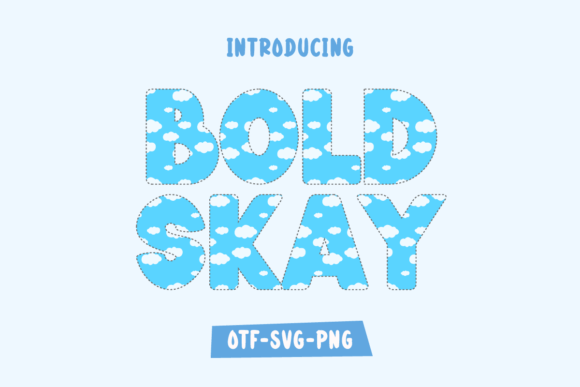
Imagine a typeface that feels like a celebration. It's bold, it's fun, and it carries a soft, cloud-like theme in its very design. This isn't just another font; it's a design asset built for projects that demand attention and joy. Think of the last time you saw a t-shirt design or a social media graphic that just made you smile. Often, it's the typography that sets that tone, transforming a simple message into a memorable visual experience.
More Than Just Letters: The Visual Personality of This Typeface
So, what exactly makes a font like this stand out? It starts with its core design philosophy. This is a bold color font, meaning the strokes have a substantial weight that commands presence on the page or screen. But it's the "fun" and "cloud" aspects that give it character. You might notice rounded edges, playful swashes, or a certain buoyancy in the letterforms that avoids looking rigid or corporate. It's designed to evoke a sense of whimsy and approachability.
For a designer or a small business owner, understanding this personality is key. This isn't the typeface you'd use for a legal contract or a technical manual. Instead, it shines in contexts where emotion and brand personality are front and center. It’s a creative font that speaks a specific visual language—one of lightheartedness, creativity, and contemporary flair. When you pair it with the right project, it does half the communicative work for you.
From Mugs to Marketing: Where This Font Truly Works
The real test of any premium font is its versatility across different media. Let's break down where a style like this can be a game-changer for your projects.
- Craft and Physical Products: This is a natural home. For sublimation designs on mugs, the bold weight ensures the text is legible even from a distance. On stickers and t-shirts, the playful theme adds instant personality, making products more appealing for casual wear or celebrations. It’s perfect for party invitations, greeting cards, and book covers that need a youthful or spirited vibe.
- Digital Presence: Your online visual identity gets a major boost. Use it for striking headlines on your website or blog to draw readers in. It’s a powerhouse for social media graphics—think Instagram stories, Pinterest pins, or Facebook ads where you have seconds to capture attention. The bold style cuts through the noise of a busy feed.
- Brand and Packaging: For entrepreneurs building a brand, this font can define your visual identity. It’s excellent for logo design, especially for brands in the lifestyle, kids' products, food, or creative services space. Imagine it on product packaging for artisanal goods, cosmetics, or snack foods—it communicates fun and quality instantly. It helps in creating a brand identity that feels fresh and approachable.
- Marketing and Editorial: Don't underestimate its power in print. Use it for posters, flyers, and event promotions to generate excitement. In editorial design, like magazine layouts or digital products such as e-books and workbooks, it can be used for chapter titles or pull quotes to break up text and add visual interest.
Practical Tips for Using a Display Font Effectively
Having a great font is one thing; using it well is another. Here’s some practical advice to get the most out of it.
Pairing is Everything. A display font like this is meant for impact, not for body text. The key is to pair it with a more neutral sans serif font or a clean serif font for longer paragraphs. For example, use Bold Skay for your main headline and a simple, legible typeface like Open Sans or Lora for the description beneath it. This creates a clear hierarchy and ensures readability. Testing different font pairings in a mockup is the best way to see what feels balanced.
Context is King. Always consider your project's goal and audience. A handwritten font or script might be lovely for a wedding invitation, but this bold, cloud-themed font is better suited for a child's birthday party flyer or a modern startup's branding. Match the font's personality to the message you want to send. Does it say "professional," "playful," "elegant," or "urgent"? Your typography should answer that question.
Readability First. Even the most beautiful font fails if people can't read it. Test your designs at various sizes. Will the text on your sublimation mug be clear from across the room? Is the social media graphic text still legible when viewed on a small phone screen? Sometimes, you might need to adjust tracking (letter spacing) or leading (line spacing) to improve clarity, especially with a bold or decorative style.
Understand Your License. This is crucial, especially for commercial projects. When you acquire a commercial font, you're typically purchasing a license that outlines how you can use it. Can you use it for client work? For merchandise you sell? For a logo? Always review the license agreement that comes with the font to ensure your intended use is covered. This protects you legally and ensures you're using the asset correctly.
Bringing It All Together
Choosing typography is a fundamental part of the design process that directly influences how your audience perceives your work. A font with a distinct personality, like one with a bold and playful cloud theme, offers a specific tool for your toolkit. It’s not about replacing all your other typefaces but about knowing when its unique voice is the perfect fit for the job.
Think of your next project. Is it a set of celebration stickers, a new logo for a creative studio, or a series of engaging social media posts? Using a font that embodies fun and boldness can elevate the entire design, making it more cohesive and impactful. It helps in building visual consistency across your materials, which strengthens brand recognition. When your typography aligns with your message, your professional presentation improves, and you’re more likely to spark genuine audience engagement.
Ultimately, the best design choices are intentional. They consider the end-user, the medium, and the emotion you want to evoke. By understanding the strengths of different typefaces—from a whimsical display font to a reliable workhorse sans serif—you can make smarter decisions that make your designs not only look better but work better, too.