Why Sports Fields Font Works for Playful and Artistic Design
Imagine a children’s book cover where the title doesn’t just sit there—it bounces, it swirls, it practically leaps off the page with energy. That’s the kind of visual personality a well-chosen typeface can bring to a project. For designers, creators, and small business owners working on materials meant to feel fun, approachable, or artistically expressive, the Sports Fields font offers a distinct character that’s hard to ignore. It’s a typeface that doesn’t just communicate words; it conveys mood, movement, and a sense of playful creativity.
A Typeface with Built-In Personality
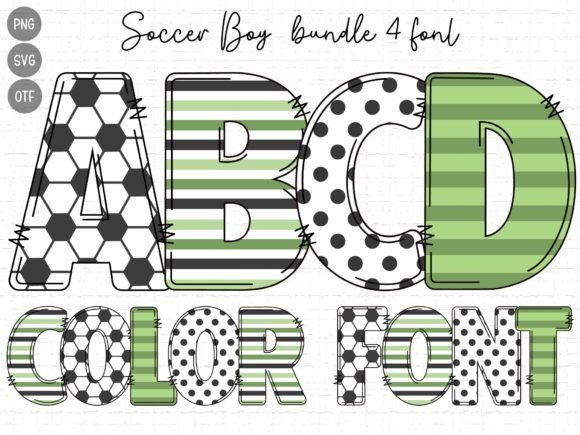
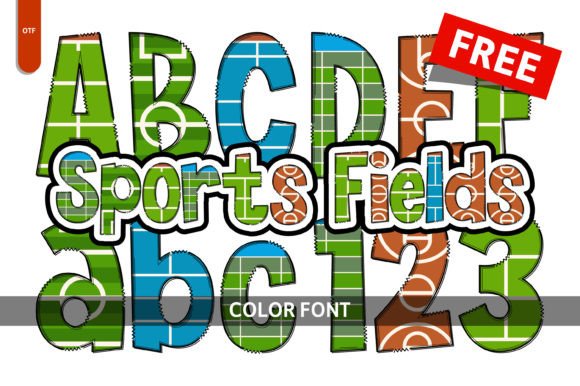
What makes Sports Fields stand out in a crowded marketplace of fonts? At its core, it’s a display font with a handwritten, slightly irregular quality that feels organic and human. Unlike rigid, geometric sans serifs or formal serifs, this typeface has a casual, approachable vibe—think of it as the visual equivalent of a friendly conversation. Its letterforms are often rounded, with subtle variations in stroke width that mimic the natural flow of hand lettering. This isn’t a font for legal documents or dense academic papers; it’s designed to catch the eye, evoke emotion, and create an immediate connection with the viewer.
For projects targeting families, children, or anyone who appreciates a touch of whimsy, this kind of creative font can be a game-changer. It’s particularly effective in contexts where you want to convey joy, movement, or a sense of playful discovery—think birthday invitations, toy packaging, or the branding for a kids’ sports camp.
Where This Font Truly Shines: Real-World Applications
Let’s move beyond theory. Where exactly does a typeface like Sports Fields make the most impact? Here’s a practical breakdown of projects where its personality can elevate the final result:
- Children’s Books & Educational Materials: This is perhaps its most natural habitat. The font’s whimsical, easy-to-read style helps create an engaging reading experience for young audiences. It’s less intimidating than formal typefaces and encourages interaction with the text.
- Logo Design & Brand Identity: For businesses in the family entertainment, children’s apparel, or recreational sports sectors, a logo set in Sports Fields can instantly communicate approachability and fun. It helps build a brand identity that feels welcoming and energetic.
- Packaging Design: Whether it’s for snacks, craft kits, or party supplies, this font can make packaging pop on the shelf. Its playful nature suggests the product inside is meant for enjoyment.
- Social Media Graphics & Digital Content: In the fast-scroll world of Instagram or Pinterest, a distinctive font can stop the thumb. Use it for quote graphics, announcement posts, or story templates to add personality and improve audience engagement.
- Print Materials & Merchandise: From posters for a school fair to t-shirts for a local sports team, this premium font translates well to physical items. Its clear, bold forms ensure readability even from a distance or on moving merchandise.
- Invitations & Greeting Cards: For birthdays, baby showers, or casual events, Sports Fields sets a joyful tone immediately. It removes the stiffness often associated with formal invitation scripts.
Strategic Pairings and Practical Considerations
Using a display font with this much character requires a bit of strategy. You wouldn’t want to set an entire paragraph in it, as its charm can become overwhelming and reduce readability for longer text. The key is to use it as an accent—a headline, a title, a call-to-action button—and pair it with something more neutral for body copy.
A classic pairing strategy is to combine it with a clean, sans serif font. The simplicity of the sans serif will ground the design, allowing the playful headlines to stand out without creating visual chaos. Alternatively, pairing it with a simple, legible script font can work for very specific, feminine, or celebratory themes, but this requires careful testing to avoid a cluttered look.
Before committing to a font like this for a major project, always test it in context. Create a mockup of your logo, layout a sample social media post, or print a test page of your invitation. Check the readability at different sizes—what looks charming on a large poster might become illegible as a small caption. Review all the included font styles; many premium fonts come with multiple weights or stylistic alternates that can give you more flexibility.
Aligning Font Choice with Project Goals
Ultimately, choosing a typeface is a branding decision. Ask yourself: what is the core emotion or message of this project? If the answer involves words like “playful,” “energetic,” “friendly,” “artistic,” or “approachable,” then a font like Sports Fields is worth serious consideration. It’s a tool for visual consistency; using it across your website headers, marketing emails, and product tags can help build brand recognition by creating a cohesive and memorable visual language.
Remember, the best design assets are those that serve a clear purpose. This isn’t just a creative font; it’s a communication tool. When used thoughtfully, it can help small business owners and creators connect with their audience on a more human level, making their messages not just seen, but felt. Whether you’re designing a local community newsletter or launching a new product line for kids, the right typography can be the silent ambassador of your brand’s personality.