The Sweetest Typography: Why Hot Love Captures Hearts
There are moments in design when a font feels less like a tool and more like a whisper. It’s the difference between a sign that says “open” and a window display that says “come in, we’ve been waiting for you.” I remember scrolling through endless lists of typefaces for a boutique’s seasonal campaign, everything feeling sterile and overly technical, until I stumbled upon a hand-lettered script that felt like it was drawn just for that project. That feeling is what I want to talk about today—a specific kind of magic that happens when typography is infused with genuine personality. It’s this quality that makes certain design assets stand out, not just for their aesthetics, but for the emotion they convey.
More Than Just a Pretty Script
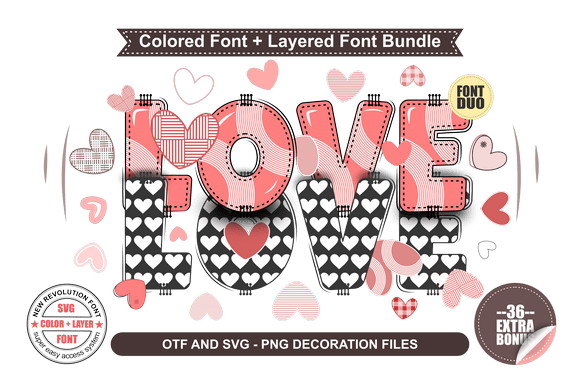
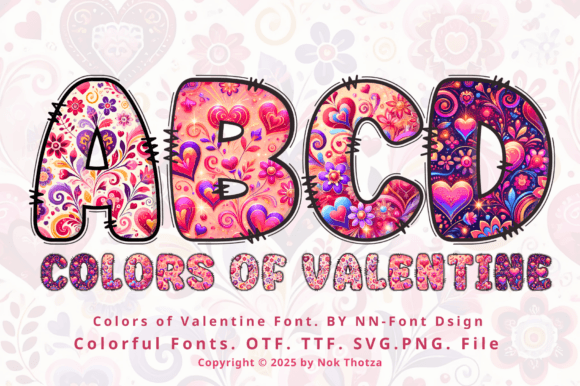
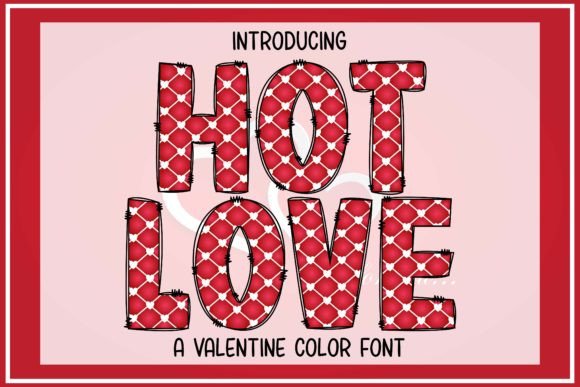
When we talk about a creative font like Hot Love, we’re not just discussing letterforms. We’re talking about a visual language. This isn’t your standard, clean sans serif font meant for body text or a rigid serif for editorial layouts. It’s a display font, crafted to be the star of the show. Each character is adorned with delicate patterns—think subtle hearts, playful swirls, and the kind of detail you’d expect from a hand-drawn illustration. It’s a premium font that carries the warmth of a handwritten note, making it an immediate mood-setter for any project related to affection, celebration, or whimsy.
The real value of a typeface like this lies in its ability to do the heavy lifting for your brand identity. Imagine you’re a small business owner launching a line of artisanal chocolates or a content creator designing a digital planner for Valentine’s Day. The typography you choose is your first handshake with the audience. A font with this level of charming detail instantly communicates care, creativity, and a specific aesthetic. It helps build brand recognition because the style is so distinctive; people will remember the sweet, patterned letters before they even read the words.
Finding Its Place in Your Creative Toolkit
So, where does a handcrafted colored font actually work best? Its strength is in applications where a headline, logo, or key phrase needs to evoke an immediate emotional response. Think beyond the obvious holiday cards. For a bakery, using this font for the logo on packaging design or menu headers creates a cohesive, inviting atmosphere. For a wedding planner, it’s perfect for invitation suites, table numbers, and thank-you cards, setting a romantic tone from the first touchpoint.
In the digital space, it’s a powerhouse for social media graphics. A quote overlay, a sale announcement, or a YouTube thumbnail using Hot Love stops the scroll because it feels personal and crafted. It translates beautifully to merchandise—think tote bags, mugs, or apparel—where the design itself is part of the product’s appeal. Even in editorial design, it can be used sparingly for pull quotes or section headers in a lifestyle magazine to inject a burst of personality.
However, a word of practical advice: a font this detailed is not for reading paragraphs. Its strength is in short, impactful bursts. Pairing it thoughtfully is key. Use it for a headline and balance it with a clean, highly readable sans serif or a simple serif font for supporting text. This creates a visual hierarchy that is both beautiful and functional. Always test your font pairings in context to ensure the message remains clear and the aesthetic stays cohesive.
The Practical Side of a Passionate Font
Choosing a typeface is a business decision as much as an artistic one. Before you fall in love with the look, consider the practicalities. First, review the included font styles. Does the family offer variations, or is it a single weight? For a project like Hot Love, understanding its full character set—does it include alternate swashes, ligatures, or multilingual support?—can expand your design possibilities.
Next, readability is non-negotiable. A decorative script font must still be legible at the size it will be displayed. Test it. Shrink it down to the size it might appear on a business card or blow it up to see how the intricate patterns hold on a poster. The goal is charming, not confusing.
Finally, licensing is a critical checkpoint. If you’re using this font for a client project, merchandise for sale, or digital products, you need to ensure you have the correct commercial license. A premium font often comes with clear licensing terms, but it’s your responsibility to verify that your intended use is covered. This due diligence protects your work and your client’s investment.
Infusing Authenticity into Modern Design
In a landscape saturated with generic templates, a font with handcrafted character offers a shortcut to authenticity. It’s a design asset that speaks directly to an audience seeking warmth and personality. Whether you’re a designer looking to differentiate a client’s brand, a marketer crafting a campaign that needs to feel personal, or a hobbyist creating something special for loved ones, typography like this provides a unique voice.
It’s not about following a trend, but about choosing tools that align with the story you want to tell. The right display font can transform a simple message into a memorable experience. It can make a brand feel more approachable, a product feel more luxurious, or an invitation feel more heartfelt. In the end, that connection is what great design is all about—using visual communication to create a moment of understanding and delight.