Joyful Ghost: A Playful Typeface for Creative Projects
You know that feeling when you stumble upon a font that just makes you smile? That's the kind of energy a typeface like Joyful Ghost brings to the table. It's not just a collection of letters—it's a vibe, a personality, a creative tool that can transform a flat design into something with real warmth and character. If you've been searching for a typeface that feels approachable, artistic, and just a little bit whimsical, this might be the one that catches your eye.
What Makes This Typeface Stand Out
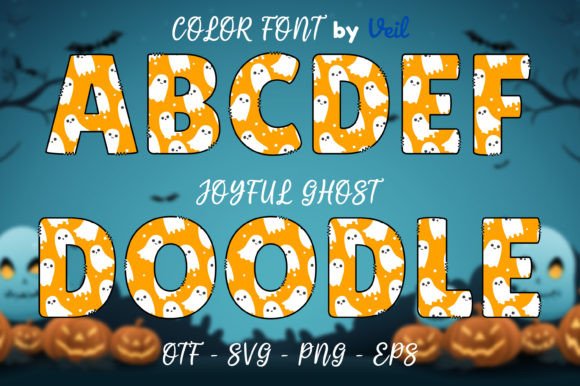
Joyful Ghost is a display font designed with personality front and center. The letterforms have a hand-drawn quality that feels organic without sacrificing legibility. There's a certain looseness to the strokes—maybe a slightly uneven baseline or playful curves—that gives it that "made by a human" charm. It's the kind of typeface that works beautifully when you want your design to feel friendly, creative, or a bit nostalgic.
What sets it apart from a generic handwritten font is the attention to detail in its construction. The characters are balanced enough to read well at various sizes, yet they retain enough quirkiness to stand out. You'll often find that premium fonts like this include multiple weights, alternates, or stylistic sets, giving you flexibility to customize the look depending on the context. That kind of versatility matters when you're working across different media—from a small social media graphic to a large-format poster.
Where This Font Really Shines
Let's talk about practical applications, because that's where a font either proves its worth or collects digital dust. Joyful Ghost thrives in projects where you want to inject personality without crossing into unprofessional territory. Think about children's books, where the typography needs to feel inviting and easy for young readers to follow. A whimsical typeface like this creates an engaging reading experience—kids respond to visual warmth, and parents appreciate when a book feels thoughtfully designed.
But the applications go far beyond bedtime stories. Here are some real-world scenarios where a font like this earns its place in your toolkit:
- Branding and logo design for small businesses that want to appear approachable—bakeries, craft studios, boutique shops, or indie brands targeting a creative audience.
- Packaging design for artisan products, handmade goods, or specialty food items where the label needs to tell a story before the customer even opens the product.
- Invitations and greeting cards—wedding invitations with a relaxed, personal feel, birthday cards, holiday greetings, or event announcements.
- Social media graphics where you need to stop the scroll with something that feels authentic rather than corporate.
- Website headers and blog titles for creative entrepreneurs, lifestyle bloggers, or anyone building a personal brand online.
- Merchandise and print materials like tote bags, stickers, mugs, or apparel where bold, playful typography becomes part of the product itself.
- Editorial layouts in magazines, zines, or digital publications targeting a design-savvy or youthful readership.
- Marketing assets including flyers, posters, email headers, and digital ads that need to feel energetic and approachable.
The common thread here is audience connection. When your typography matches the emotional tone of your message, people feel it—even if they can't articulate why. A playful display font signals creativity and warmth. A stiff, corporate serif signals something entirely different. Choosing the right typeface isn't just an aesthetic decision; it's a communication strategy.
Pairing and Practical Considerations
Here's where a lot of designers—especially those newer to typography—get stuck. You've found a font you love, but how do you actually use it without the whole design feeling chaotic? The key with any expressive display font is restraint. Joyful Ghost works best as a headline or accent typeface, not as your body copy. Pair it with a clean sans serif font for longer text passages. Something simple and geometric—think a modern sans serif with open letterforms—will let the personality of your display font shine without overwhelming the reader.
Font pairing is part intuition, part experimentation. Try a few combinations and see what feels right for your specific project. A good rule of thumb: contrast is your friend. If your headline font is loose and hand-drawn, your body font should be structured and neutral. That contrast creates visual hierarchy, which guides the viewer's eye through your design in the order you intend.
Readability deserves serious attention, especially if you're designing for screens. Test your typeface at the actual size it will appear—not just blown up on your 27-inch monitor. Check how it renders on mobile devices, in email clients, and across different browsers. A font that looks gorgeous at 72 pixels might blur together at 16 pixels. This is where reviewing the full character set and included styles becomes important. Many premium fonts include condensed versions, all-caps options, or alternate characters that give you more control over how the type reads at different scales.
Building Brand Recognition With the Right Typeface
For small business owners and entrepreneurs, consistency is everything. When your audience sees your Instagram post, then visits your website, then picks up your product packaging, the visual language should feel unified. Typography is one of the most powerful tools for creating that cohesion. A distinctive typeface like Joyful Ghost, used consistently across touchpoints, becomes part of your brand identity—almost like a visual signature.
Think about brands you recognize instantly. Chances are, their typography plays a huge role in that recognition. You don't need to be a global corporation to benefit from the same principle. A local florist using the same playful script font on their signage, business cards, and social media creates a memorable impression. A digital product creator using consistent typography across their course materials, sales pages, and email templates builds trust and professionalism.
Before committing to any typeface for your brand, consider licensing. Commercial fonts typically require a license for business use, and the terms can vary. Some licenses cover unlimited projects; others are priced per installation or per project. Make sure you understand what's included, especially if you plan to use the font in client work, merchandise, or digital products you sell. It's a small detail that can save you legal headaches down the road.
Making It Work for Your Next Project
The best way to know if a font works is to put it to use. Download it, set some real text—not just "Lorem ipsum"—and see how it feels in context. Does it match the tone of your message? Does it pair well with your existing brand colors and imagery? Does it hold up across the formats you need? These practical tests tell you more than any font specimen page ever could.
Joyful Ghost belongs in the category of creative fonts that bridge the gap between artistic expression and functional design. It won't be the right choice for a law firm's annual report, but for a children's clothing brand, a cozy café, or a handmade jewelry shop, it could be exactly the visual personality your project needs. Typography is one of those design elements that works quietly in the background, shaping how people feel about your brand before they've read a single word. Choose intentionally, pair thoughtfully, and let the right typeface do some of the heavy lifting for you.