Harvest Moon: A Typeface That Brings Warmth and Whimsy to Your Designs
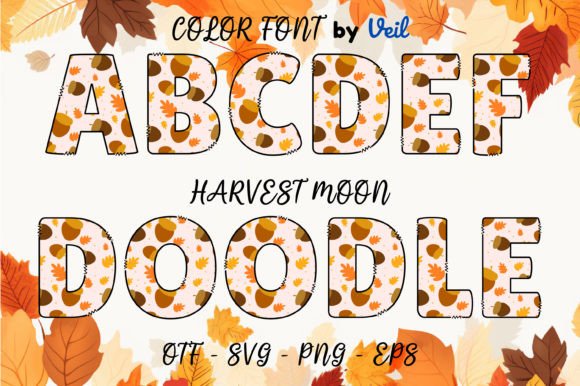
There’s a certain magic in the way a font can set the mood before a single word is read. Imagine a typeface that captures the cozy glow of an autumn evening, the playful curve of hand-lettered signage at a farmer's market, and the timeless appeal of a storybook cover. That’s the essence of Harvest Moon. This isn't just another script or display font; it’s a design asset with a distinct personality, one that feels both artisanal and approachable. For designers, small business owners, and creators looking to inject genuine warmth and character into their projects, understanding how to harness this style can be a game-changer for visual storytelling.
Capturing a Handcrafted, Artistic Vibe
What makes a font like Harvest Moon so visually appealing is its foundation in handwritten, artistic forms. It often features gentle imperfections, varied stroke weights, and a fluidity that mimics natural penmanship. This moves it far beyond sterile, geometric typefaces. The visual language speaks directly to projects aiming for a playful or artistic feel. Think of the engaging reading experience created in children’s books, where whimsical, colorful, and easy to read fonts are essential. Harvest Moon carries that same spirit of invitation and joy, making it a powerful tool for connecting with an audience on an emotional level.
Its appeal lies in its versatility within the realm of expressive design. As a premium font, it typically comes with multiple styles—perhaps a regular weight, a bold for emphasis, and sometimes elegant alternates or ligatures. This variety allows for nuanced typography that can guide the viewer's eye. Whether it's used as a display font for a headline or as a supporting script font for accents, its character remains consistent. For anyone working on brand identity, this type of consistency is invaluable. It helps build a recognizable visual voice that feels authentic and cohesive across every touchpoint.
From Packaging to Social Feeds: Practical Applications
The true test of a creative font is how it performs in the real world. Harvest Moon’s style makes it exceptionally suited for applications where personality and approachability are key. In packaging design, it can instantly communicate that a product is handmade, organic, or crafted with care. Imagine it on a jam jar label, a bakery box, or a artisanal soap wrapper—it tells a story of quality and warmth before the customer even tastes or touches the product.
For digital products and web design, this typeface can soften a brand’s online presence. It works beautifully for hero section headlines on a lifestyle blog, for social media graphics promoting a workshop, or as a standout font in an email newsletter. Its legibility on screen, when used appropriately, makes it a strong candidate for calls-to-action or quote graphics that need to stop the scroll. Similarly, in editorial design, such as a magazine feature or a cookbook layout, it can add a layer of personal, narrative flair to titles and pull quotes.
- Logo Design: Craft a memorable wordmark for a boutique, a café, or a creative studio that wants to feel welcoming and unique.
- Invitations & Greeting Cards: Perfect for wedding suites, party invites, or holiday cards where a personal, elegant touch is desired.
- Posters & Merchandise: Create eye-catching event posters or apparel designs (like tote bags or t-shirts) with a hand-lettered aesthetic.
- Marketing Assets: Design cohesive flyers, brochures, and digital ads that maintain a consistent, friendly brand voice.
Pairing and Professional Polish: Using the Font Effectively
Introducing a strong display font like Harvest Moon into a project requires a bit of strategy to ensure it enhances, rather than overwhelms, the message. The key is font pairing. A highly stylistic script or handwritten font is rarely used for long blocks of body text. Instead, it shines when paired with a clean, neutral companion. A classic sans serif font or a simple, readable serif font for paragraphs will provide the necessary contrast and ensure overall readability.
Before finalizing, always test your pairings in context. View your design at the size it will be used—whether on a mobile screen or a printed poster. Check the spacing and kerning, especially if the font includes stylistic alternates. For commercial projects, a crucial step is reviewing the commercial licensing that comes with the font. A reputable premium font purchase will include clear licensing for both personal and commercial use, protecting you and your client. This attention to detail is what elevates a project from a hobbyist experiment to a professional presentation.
Ultimately, a font like Harvest Moon is more than just a set of letters; it's a design partner that helps translate a brand’s ethos into visual form. By matching its visual characteristics to your project goals—whether that’s boosting audience engagement, strengthening brand recognition, or simply creating something beautiful—you leverage modern typography to its fullest potential. It’s about choosing the right tool for the job and using it with intention to create work that resonates and feels genuinely crafted.