Happy Lovely: A Festive Typeface for Cheerful Holiday Designs
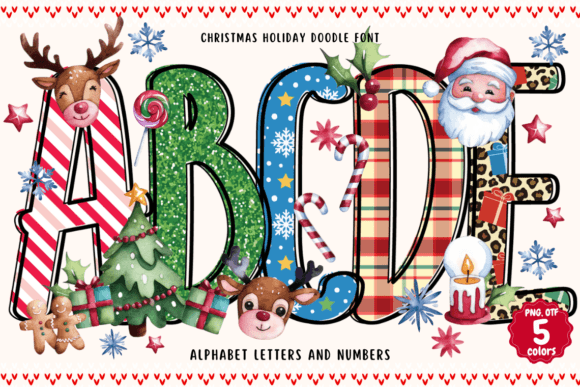
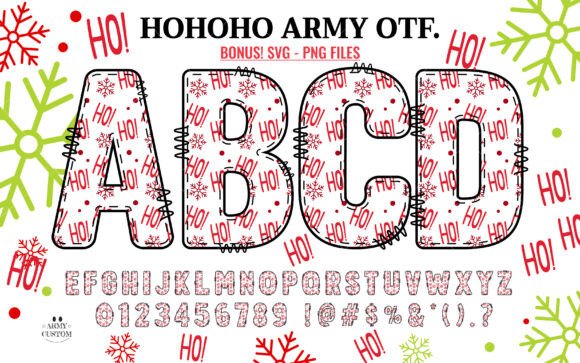
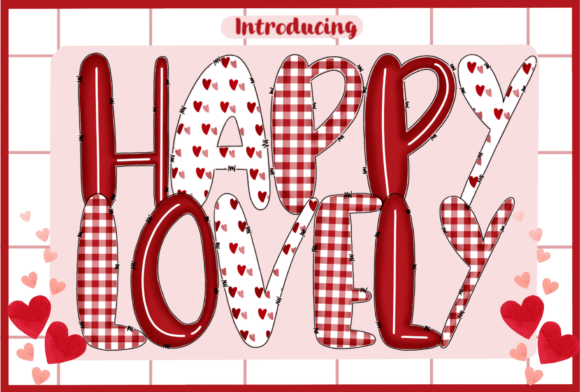
Picture this: it's the week before Christmas, and you're staring at a blank screen trying to design a holiday promotion that actually feels joyful. You've cycled through a dozen generic script fonts, but nothing captures that specific warmth—hand-cut snowflakes tucked into serifs, candy canes curving along letterforms, ornaments dangling from descenders. That's the gap Happy Lovely was designed to fill. This decorative typeface weaves Christmas patterns directly into its character set, turning every word into something that looks like it was assembled by a particularly talented elf with a glue gun and an eye for kerning.
What Makes This Festive Font Stand Out
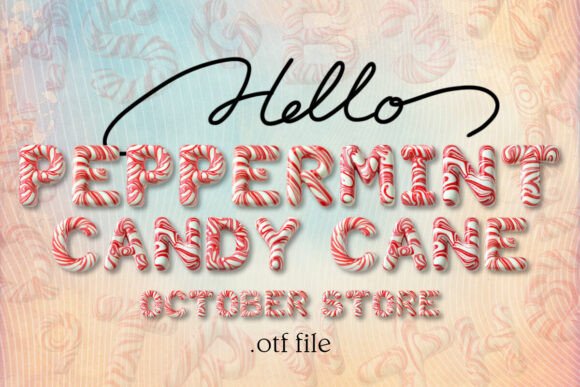
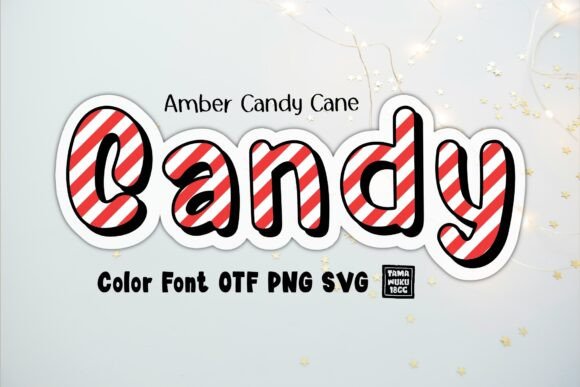
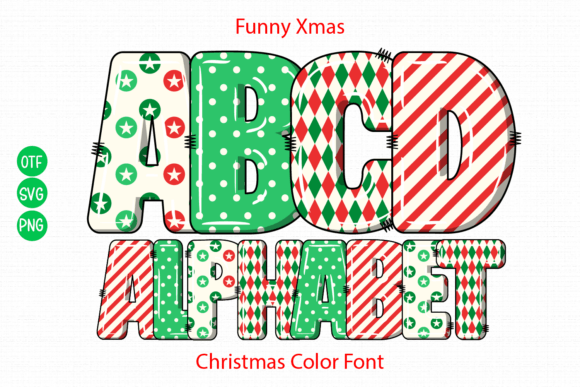
Most holiday fonts fall into two camps: overly cartoonish clip-art styles that look cheap the moment you scale them up, or elegant scripts so restrained they could pass for a wedding invitation in July. Happy Lovely sits in a sweet spot between those extremes. Each letter carries intentional festive detailing—think holly berries replacing dots, subtle snowflake textures within strokes, and ribbon-like terminals that suggest wrapped gifts without being literal about it.
The visual personality here is unapologetically cheerful. This isn't a typeface trying to be sophisticated or ironic. It leans into the season with genuine enthusiasm, which makes it particularly effective for audiences who want their designs to communicate warmth, generosity, and celebration. If you've ever struggled to find a creative font that feels holiday-specific without crossing into novelty territory, this one deserves a closer look.
Practical Applications Across Different Projects
Let's get specific about where a typeface like this actually works in the real world, because not every festive font translates well across different formats.
Holiday Cards and Invitations are the obvious starting point. Whether you're designing corporate Christmas cards for a client or creating printable party invitations to sell on Etsy, the built-in ornamentation eliminates the need to manually add decorative elements around your typography. The letters themselves become the decoration, which streamlines your workflow considerably.
Seasonal Packaging Design is another strong use case. Small businesses selling holiday products—artisan chocolates, scented candles, gift baskets—often need packaging that signals "limited edition seasonal release" at a glance. Using Happy Lovely for product names or taglines on labels and boxes creates that instant recognition without requiring a complete packaging redesign every December.
Social Media Graphics benefit enormously from display fonts with strong personality. Instagram stories announcing holiday sales, Facebook posts promoting seasonal menus, Pinterest pins for gift guides—these formats reward bold, eye-catching typography that stops the scroll. The festive details embedded in each character give your graphics visual interest even at smaller sizes, though you'll want to test readability carefully before committing to body text.
Website Headers and Blog Graphics offer another natural fit. If you run an e-commerce store, a food blog, or a lifestyle publication, swapping in holiday-themed typography for December content creates visual continuity with the season. Use it for headline text on landing pages promoting holiday collections, or as the featured typeface in blog post graphics about gift ideas and seasonal recipes.
Print Materials and Posters like flyers for holiday markets, signage for retail displays, and posters for community events all benefit from typefaces that communicate festivity without requiring additional illustration. The ornamented letterforms do double duty as both information carriers and decorative elements, which can reduce production time and design complexity.
Merchandise and Digital Products round out the possibilities. Think tote bags with holiday slogans, mugs with festive quotes, or digital downloads like printable wall art and planner stickers. For creators who sell design assets or run print-on-demand shops, having a reliable decorative font in your toolkit means you can produce seasonal product lines efficiently.
Pairing Happy Lovely with Other Typefaces
Here's where practical design judgment matters more than rules. A heavily decorative display font like Happy Lovely works best when it's not asked to do all the heavy lifting. Pair it with a clean sans serif font for body text, captions, and supporting information. Something straightforward—think open letterforms, generous x-heights, neutral personality—gives the eye a place to rest after absorbing the festive energy of your headlines.
For projects that need a slightly warmer companion, a simple handwritten font with minimal ornamentation can complement the holiday theme without competing for attention. The key principle is contrast in complexity: if your headline font is detailed and pattern-rich, your supporting typeface should be restrained and highly legible.
Always test your font pairings in context. Set a headline in Happy Lovely, place your body text beside it, and view the combination at the actual size it will appear in your final design. What looks balanced on a large monitor might feel cramped on a phone screen, and what reads beautifully in print might lose clarity on low-resolution displays.
Readability Considerations for Real-World Use
Decorative fonts demand honest assessment about where they work and where they don't. Happy Lovely's festive detailing makes it excellent for short-form text: headlines, titles, single-word callouts, and display text where personality outweighs the need for rapid reading. It's less suited for paragraphs, product descriptions, or anywhere your audience needs to absorb information quickly without visual effort.
Size matters with ornamental typography. The Christmas patterns woven into each letter become more visible and impactful at larger scales. At very small sizes, those details can muddy the letterforms and reduce legibility. Before finalizing any design, print a test page or view your digital layout at 100% zoom on the devices your audience actually uses.
Color choices also influence how well the font performs. High-contrast combinations—dark text on light backgrounds, or vice versa—help the decorative elements read as intentional design choices rather than visual noise. Avoid placing this font over busy photographic backgrounds without a solid or semi-transparent container behind the text.
Licensing and Commercial Considerations
If you're planning to use Happy Lovely for client work, merchandise, or any project that generates revenue, verify the licensing terms before you start designing. Most premium font licenses distinguish between personal and commercial use, and some require extended licenses for products like print-on-demand merchandise or large-scale distribution. Understanding these terms upfront prevents awkward conversations with clients or unexpected costs down the road.
Keep your license documentation organized alongside your font files. Good font management practices—consistent naming, clear folder structures, license records saved with the assets—save time and protect you legally as your design library grows.
For designers and small business owners building a brand identity around seasonal campaigns, investing in quality typefaces with clear commercial licenses is one of the most cost-effective decisions you can make. A single well-chosen font can unify dozens of touchpoints across a holiday marketing push, from email headers to point-of-sale displays, creating the kind of visual consistency that builds brand recognition over time.