Discovering the Gentle Power of Pastel Easter Typography
There’s a particular feeling that spring brings—a sense of lightness, renewal, and quiet joy. Translating that feeling into a visual project can be a challenge, but the right typeface does it effortlessly. Imagine a font that doesn’t just convey words but carries the soft, optimistic energy of the season. That’s the essence of this unique display font: it’s a tool for injecting genuine warmth and approachable charm into your work, making designs feel instantly more inviting and alive.
More Than Just a Color Palette
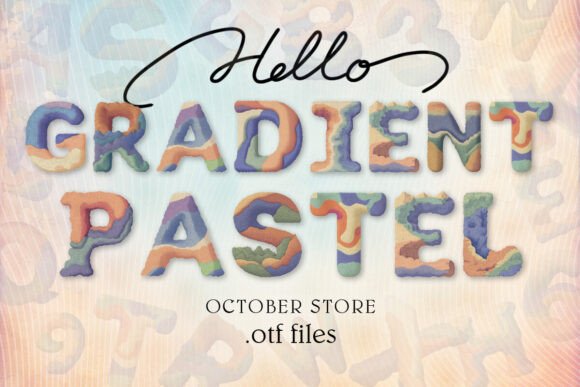
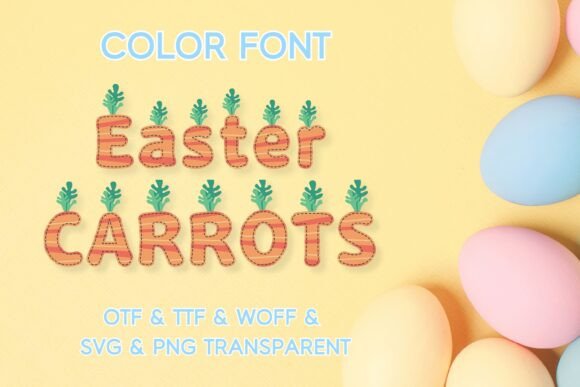
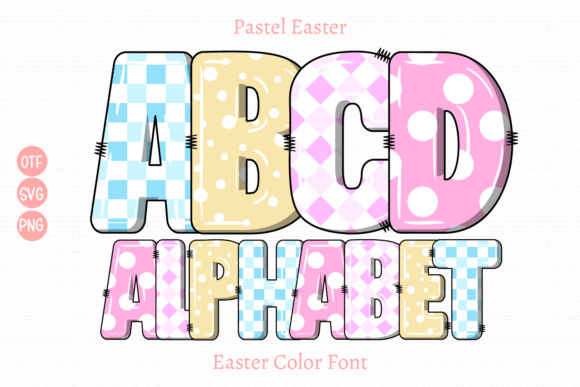
At first glance, you might think of it as simply a pastel-colored Easter font. But its appeal runs much deeper. The visual character is built on a foundation of friendly, rounded letterforms and a subtle, organic texture that avoids looking sterile or overly digital. It’s a premium font that feels handcrafted, blending the legibility of a modern sans serif with the personality of a gentle script or handwritten style. This combination is key—it’s playful without being childish, and decorative without sacrificing clarity. The soft, multi-hued effect isn’t just for show; it creates depth and a tactile quality that flat colors can’t match, making your text feel like a tangible part of the design.
Where This Typeface Truly Shines
Understanding a font’s personality is one thing; knowing where to apply it is where the real value lies. This isn’t your go-to for lengthy body copy in a technical manual. Instead, it’s a specialist for moments that need to connect emotionally and stand out visually.
- Brand Identity & Logo Design: For a bakery, florist, boutique, or any brand centered on care, creativity, or seasonal refresh, this typeface can become the cornerstone of a logo. It instantly communicates a brand story of approachability and delight.
- Packaging & Labels: On product packaging, especially for artisanal goods, cosmetics, or children’s items, it helps products pop on the shelf. The texture and color suggest quality and thoughtfulness before the customer even reads the product name.
- Social Media & Web Design: In the fast-scrolling world of Instagram or Pinterest, a header or quote graphic set in this font stops the thumb. It’s perfect for blog post titles, website banners for seasonal sales, or creating cohesive Instagram story templates that feel on-brand.
- Print & Editorial: Think of the cover of a spring-themed magazine, the title of a wedding invitation suite, or headings in a cookbook. For editorial design, it adds a layer of thematic charm without overwhelming the accompanying serif or sans serif text.
- Mercantile & Digital Products: From tote bags and mugs to printable planners and greeting cards, this creative font elevates merchandise and digital assets, making them feel special and giftable.
Integrating It Into Your Creative Workflow
Adopting a new font, especially a display font with strong character, requires a bit of strategy to ensure it enhances rather than complicates your work. Here’s how to use it effectively.
Font Pairing is Everything. This typeface is a star player, so it needs supporting actors. Pair it with a clean, neutral sans serif font like Open Sans or Lato for body text. For a more sophisticated contrast, a simple, elegant serif font like Lora or Merriweather can create a beautiful hierarchy. The goal is balance: let the Pastel Easter font own the headlines and key phrases while the paired font handles the information-heavy lifting.
Prioritize Readability. Because it’s a display font, size matters. It works best at larger scales—on headers, logos, and pull quotes. At very small sizes, the intricate details and color transitions can become muddy. Always test print a sample or view a prototype on a mobile screen to ensure legibility.
Match the Mood to the Goal. Ask yourself: does the project’s core message align with the font’s personality? If you’re designing for a serious financial institution or a minimalist tech startup, this likely isn’t the right choice. But for projects aiming for joy, creativity, nostalgia, or gentle energy, it’s an unparalleled asset.
Explore the Included Styles. A quality font family often comes with more than one weight or style. Check if it includes alternates, ligatures, or a standard single-color version. The alternate characters can add flair to logos and monograms, while a solid version might be useful for situations where the multi-color effect isn’t practical, such as certain types of embossing or single-color printing.
Understand the License. As a commercial font, it’s crucial to review the licensing terms. Ensure the license covers your intended use—whether for a client’s logo, a product you sell, or merchandise. This protects both you and the font creator and is a hallmark of professional practice.
The Real-World Impact on Your Projects
Beyond aesthetics, integrating a font like this strategically can have tangible benefits for your brand or client work. It builds visual consistency across touchpoints, from a website header to a thank-you card, reinforcing brand recognition. The inherent charm boosts audience engagement; people are drawn to designs that feel positive and relatable. It elevates the professional presentation of your work, showing attention to detail and a thoughtful approach to visual communication. Finally, it can significantly improve readability in its intended context—not by being neutral, but by making key messages impossible to ignore and a pleasure to read.
In a landscape crowded with generic typography, choosing a font with a distinct, positive personality is a powerful way to differentiate your work. It’s not just about setting text; it’s about setting a tone. For the right project, this typeface isn’t just a tool—it’s a collaborator that brings a little bit of spring’s joyous energy into every design it touches.